Santa Maria, California
All areas

Santa Maria

Valley of agriculture, oak-fired barbecue, and Highway 101

Santa Maria is the largest city in northern Santa Barbara County, anchoring a broad agricultural valley along U.S. Highway 101 known nationally for strawberries and Santa Maria-style barbecue.

Search Santa Maria Homes

The story

Life in Santa Maria

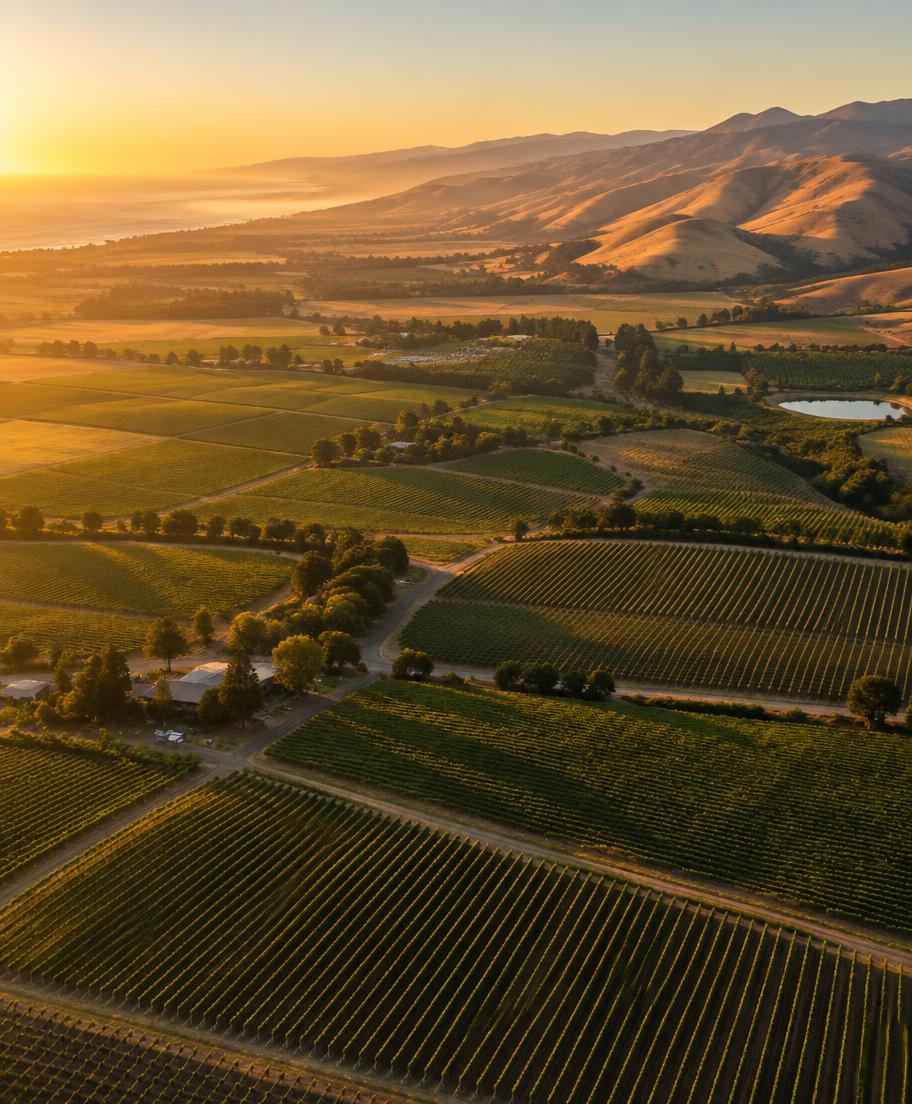
Santa Maria sits in the flat, fertile Santa Maria Valley, bordered by the Santa Maria River and framed by the Solomon Hills and Sisquoc foothills. U.S. Highway 101 runs through the city, connecting it to Santa Barbara to the south and San Luis Obispo to the north, while Highway 135 and Highway 166 lead west toward Guadalupe and the coast.

The city and surrounding valley form one of the most productive farming regions on California's Central Coast, long associated with strawberries, broccoli, wine grapes, and other row crops grown in the valley's sandy loam soils. Santa Maria is also the acknowledged home of Santa Maria-style barbecue — top sirloin grilled over red oak coals — a tradition with roots in the valley's rancho-era cattle culture.

Today Santa Maria is a regional hub for shopping, healthcare, and education for northern Santa Barbara County, with a population that passed 100,000 in recent decades, and it sits near Vandenberg Space Force Base, Allan Hancock College, and the wine-producing Foxen Canyon area.

The history

Where it began

The Santa Maria Valley was inhabited for thousands of years by the Chumash people before Spanish explorer Gaspar de Portolá passed through in 1769. The Spanish called the valley "El Llano Grande de Laguna." Mission San Luis Obispo (1772) and Mission La Purísima (1787) were established near the valley, and after Mexican independence in 1821, mission lands were broken into large ranchos granted to settlers.

Anglo-American settlement accelerated between 1869 and 1874 when settlers including Rudolph Cook, John Thornburg, Isaac Fesler, and Isaac Miller platted the townsite. The city of Santa Maria was incorporated on September 12, 1905, following a close local vote (202 to 139) on incorporation.

The Santa Maria Valley Historical Society Museum documents the valley's rancho-era land grants (such as Rancho Guadalupe, Rancho Tepusquet, and Rancho Sisquoc) and its agricultural development through the 19th and 20th centuries. Marian Regional Medical Center, now the city's major hospital, traces its roots to Our Lady of Perpetual Help Hospital, opened in 1940.

Living here

The benefits

Walkability

Walkability varies by neighborhood. See current Walk Score®, Transit Score® and Bike Score® ratings.

View scores

Things to Do

  • Santa Maria Valley Historical Society Museum, chronicling local ranching and farming history
  • Foxen Canyon Wine Trail, running north from the Santa Maria Valley through Santa Barbara County wine country
  • Waller Park, a large community park with picnic areas, a lake, and the Santa Maria Museum of Flight
  • Santa Maria Speedway, a dirt-track racing venue at the Santa Maria Fairpark
  • Santa Barbara County Fair, held annually at the Santa Maria Fairpark

Eat & Drink

  • Jocko's Steak House (Nipomo, just south of Santa Maria), a long-running Santa Maria-style steakhouse open since the 1920s
  • The Hitching Post (Casmalia), serving Santa Maria-style oak-fired barbecue since 1952 under the Ostini family
  • Far Western Tavern, a historic Santa Maria-style steakhouse originally in Guadalupe, relocated to Old Orcutt in 2012

Shopping

  • Santa Maria Town Center, an enclosed regional mall opened in 1976 at Broadway (Route 135) and Main Street (Route 166), anchored by Macy's, with about 65+ stores
  • Historic Downtown Santa Maria, along South Broadway

Groceries

  • El Super, an anchor grocery tenant at Santa Maria Town Center
  • Vons and Albertsons locations throughout the city

Schools

  • Santa Maria Joint Union High School District, serving Santa Maria, Orcutt, Guadalupe, Los Alamos, and Sisquoc
  • Santa Maria High School (901 S. Broadway), Ernest Righetti High School, and Pioneer Valley High School are the district's comprehensive high schools
  • Allan Hancock College, a community college with its main campus at 800 South College Drive, Santa Maria

Hospitals

  • Marian Regional Medical Center, a Dignity Health Level II trauma center at 1400 E. Church St., Santa Maria, opened in 1940 as Our Lady of Perpetual Help Hospital

Transportation

  • U.S. Highway 101 passes through the city; State Routes 135 and 166 also serve the area
  • Santa Maria Public Airport (SMX)
  • Regional bus connections via Santa Maria Area Transit (SMAT) and Santa Barbara County's Clean Air Express; nearest Amtrak Pacific Surfliner service is at the Guadalupe-Santa Maria station

Thinking about Santa Maria?

Call Felicity for local insight, or browse what’s for sale right now.